Pickleball League: How to Find, Join & Compete (Complete Guide 2026)
Joining a pickleball league is one of the best decisions any player can make — whether you're a complete beginner looking for structured play or an experienced player ready to compete. A pickleball league gives you regular games, measurable improvement, a community of players at your level, and the competitive pressure that accelerates skill development faster than casual play alone. This complete guide covers everything you need to know about finding, joining, and competing in a pickleball league in 2026.
🏓 Elite Pickleball Training Programs — At Affordable Prices
The same coaches behind 5 World No.1 tennis players — including Martina Navratilova — now offer structured pickleball fitness, mobility and injury prevention programs for players of all ages and levels. Use code TM888 for 10% off.
See Pickleball Programs →Why Join a Pickleball League?
Casual play is fun, but a pickleball league takes your game to a different level entirely. Here's why league play is worth it:
- Faster improvement: Regular competitive play against rated opponents accelerates skill development more than recreational games
- Consistent games: No more struggling to find partners — a league gives you scheduled matches every week
- Community: Leagues build lasting friendships with players who share your passion for the sport
- Measurable progress: Your rating improves as you win matches, giving you a clear benchmark of your development
- Competitive experience: League pressure prepares you for tournaments and helps you perform under stress
Types of Pickleball Leagues
Not all pickleball leagues are the same. Understanding the different formats helps you choose the right one for your level and goals:
Recreational Leagues
Recreational pickleball leagues are designed for fun and social play. The emphasis is on participation rather than competition — ideal for beginners and players who want regular games without the pressure of serious competition. Most recreational leagues use a round-robin format where everyone plays everyone.
Competitive Leagues
Competitive pickleball leagues are organised by skill rating (typically DUPR or UTPR) and feature structured brackets, standings, and playoffs. These leagues are ideal for intermediate and advanced players who want to test themselves against rated opponents and track their progress over a season.
Mixed Doubles Leagues
Mixed doubles is the most popular format in organised pickleball league play — one male and one female player per team. It's social, strategic, and the format used at most recreational and club-level competitions.
Singles Leagues
Singles pickleball leagues are less common but growing in popularity. Singles play is more physically demanding and rewards athleticism and court coverage more than doubles. A great option for players who want to develop their individual game.
Age-Group Leagues
Many pickleball leagues offer age-group divisions — typically 19+, 35+, 50+, and 60+. Age-group leagues allow players to compete against peers of similar physical ability and experience, making the competition more balanced and enjoyable.
🏓 Gear Up for League Play
The right equipment makes a real difference in competitive play.
 Pickleball Balls →
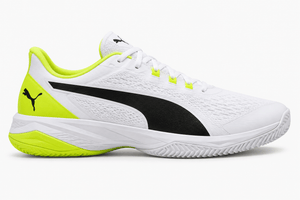
  Pickleball Shoes Men →
  Pickleball Shoes Women →
As an Amazon Associate, we earn from qualifying purchases.
How to Find a Pickleball League Near You
Finding a pickleball league has never been easier. Here are the best ways to locate leagues in your area:
USA Pickleball (USAPA)
The USA Pickleball Association maintains a comprehensive directory of sanctioned pickleball leagues, clubs, and events across the United States. Visit usapickleball.org and use the Places to Play finder to locate leagues near you.
DUPR (Dynamic Universal Pickleball Rating)
DUPR is the world's most widely used pickleball rating system and also hosts a league finder. Creating a free DUPR account gives you access to rated pickleball leagues in your area and tracks your rating as you compete.
Pickleball Brackets
Pickleball Brackets is a popular platform for organising and finding pickleball leagues and tournaments. Many local clubs use it to manage their league schedules and results.
Local Recreation Centres & Tennis Clubs
Many tennis clubs, recreation centres, and YMCAs now run pickleball leagues alongside their tennis programmes. Check with your local facilities — these are often the most accessible and affordable options for beginners.
Facebook Groups & Meetup
Local pickleball Facebook groups and Meetup.com are excellent resources for finding informal pickleball leagues, open play sessions, and organised groups in your area. Search "pickleball [your city]" to find active communities.
Understanding Pickleball Skill Ratings
Most competitive pickleball leagues use a skill rating system to ensure balanced competition. The two main systems are:
DUPR Rating
DUPR (Dynamic Universal Pickleball Rating) is the most widely used rating system globally. Ratings range from 2.0 (beginner) to 8.0 (professional). Your DUPR rating updates automatically after every rated match, making it the most accurate reflection of your current level. Most competitive pickleball leagues now use DUPR for division placement.
UTPR Rating
UTPR (USA Pickleball Tournament Player Rating) is the official rating system of USA Pickleball. It ranges from 1.0 to 6.0+ and is used for sanctioned USA Pickleball tournaments and some leagues.
Self-Rating for Beginners
If you're new to competitive play and don't have a rating yet, most pickleball leagues allow self-rating based on skill descriptions. Common beginner levels are 2.5–3.0 (learning the basics), intermediate is 3.5–4.0 (consistent rallies, developing strategy), and advanced is 4.5+ (competitive club player).
What to Expect in Your First Pickleball League
If you've never played in a pickleball league before, here's what to expect:
- Registration: Most leagues require online registration and a seasonal fee (typically $30–$100 depending on the format and duration)
- Division placement: You'll be placed in a division based on your skill rating or self-assessment
- Match schedule: Leagues typically run weekly or bi-weekly matches over a 6–12 week season
- Format: Most recreational leagues use round-robin; competitive leagues use bracket or ladder formats
- Scoring: Standard pickleball scoring — games to 11, win by 2. Match formats vary by league
- Playoffs: Most leagues conclude with a playoff round for the top teams in each division
How to Prepare for Pickleball League Play
Joining a pickleball league is exciting — but preparation makes the difference between struggling and thriving. Here's how to get ready:
Drill the Fundamentals
League play exposes weaknesses that casual play hides. Before your first pickleball league season, dedicate time to drilling your third shot drop, dinking consistency, and reset mechanics. These are the shots that win and lose league matches.
Know the Rules
Make sure you know the kitchen rules, the double bounce rule, and the serving rules before your first league match. Rule disputes are common among newer players — knowing the rules prevents awkward situations and builds respect from opponents.
Get the Right Equipment
League play demands reliable equipment. Make sure your pickleball paddle is in good condition, your court shoes provide proper lateral support, and you bring enough balls for your matches.
Work on Your Mental Game
League pressure is different from casual play. Develop a between-point routine, control your breathing, and focus on the process rather than the score. The mental game is what separates players of equal technical ability in pickleball league competition.
🏓 Ready to Dominate Your Pickleball League?
50+ structured drills, footwork patterns, and a complete training system — everything you need to compete with confidence.
 Get the Pickleball Made Easy Collection →
Pickleball League Tips for Beginners
- Start in a recreational league: Don't jump straight into competitive play — build confidence and experience in a recreational format first
- Find a partner before registering: Most doubles leagues require you to register with a partner. Find someone at a similar level who shares your commitment
- Arrive early: Give yourself time to warm up, meet your opponents, and settle your nerves before the first match
- Focus on consistency, not winners: In league play at beginner and intermediate level, the team that makes fewer errors wins — not the team that hits the most spectacular shots
- Review your matches: After each league match, identify one thing you did well and one thing to improve. This structured reflection accelerates development
Frequently Asked Questions: Pickleball League
How do I find a pickleball league near me?
The best ways to find a pickleball league near you are: USA Pickleball's Places to Play directory, DUPR's league finder, Pickleball Brackets, local recreation centres and tennis clubs, and Facebook groups for pickleball in your city.
What skill level do I need to join a pickleball league?
Most pickleball leagues welcome all skill levels. Recreational leagues are open to complete beginners. Competitive leagues use rating systems (DUPR or UTPR) to place players in appropriate divisions. If you're new, start with a 2.5 or 3.0 division.
How much does a pickleball league cost?
Most recreational pickleball leagues cost $30–$100 per season (6–12 weeks). Club-based leagues may include court fees. Some community recreation centre leagues are free or very low cost for members.
Can I join a pickleball league alone?
Yes — many pickleball leagues offer singles divisions or partner-matching programmes for players who don't have a doubles partner. Check with your local league organiser — most are happy to help solo players find a partner.
What is a DUPR rating in pickleball?
DUPR (Dynamic Universal Pickleball Rating) is the world's most widely used pickleball rating system. It ranges from 2.0 (beginner) to 8.0 (professional) and updates automatically after every rated match. Most competitive pickleball leagues use DUPR for division placement. Create a free account at dupr.com.