Pickleball Beginner to Pro: Complete Guide to Mastering Pickleball with Drills, Training & Mindset
Whether you've just picked up a paddle or you're ready to compete, this guide takes you from pickleball beginner to pro step by step. You'll learn the rules, master the drills, and build the mindset to win more points on any court.
🏓 Elite Pickleball Training Programs — At Affordable Prices
The same coaches behind 5 World No.1 tennis players — including Martina Navratilova — now offer structured pickleball fitness, mobility and injury prevention programs for players of all ages and levels. Use code TM888 for 10% off.
See Pickleball Programs →What Is Pickleball?
Pickleball is a fast-growing racket sport played on a small court with a solid paddle and a plastic ball. It combines elements of tennis, badminton, and ping-pong.
The court is 44 x 20 feet — about a quarter of a tennis court. The net sits at 34 inches in the centre — lower than a tennis net, which encourages cross-court dinking and kitchen play. Games are played to 11 points, win by 2.
One unique feature is the kitchen — a 7-foot non-volley zone on each side of the net. You cannot volley the ball while standing inside it. This rule shapes the entire strategy of the game.
Pickleball Rules Every Beginner Must Know
The serve must be underhand and land in the diagonal service box. Both feet must be behind the baseline when serving.
After the serve, both teams must let the ball bounce once before volleying. This is called the two-bounce rule. Once both bounces have occurred, volleys are allowed.
Only the serving team can score points in traditional pickleball. If the serving team faults, the serve passes to the opponent. In doubles, each player serves before the serve switches sides. Confused about the scoring system? See our complete guide on how to keep score in pickleball — including the 0-0-2 start rule and doubles server rotation.
Essential Skills for New Players
Start with these four core skills before anything else:
- The dink — a soft shot that lands in the kitchen. It's the most important shot in pickleball.
- The third-shot drop — a soft return after the serve that gives your team time to move to the net.
- The drive — a fast, flat shot used to put pressure on opponents.
- The lob — a high shot over opponents at the net. Use it sparingly.
Focus on consistency first. Power comes later. Most beginners lose points from unforced errors, not from lack of power.
From Pickleball Beginner to Pro: Your Training Path
Improving at pickleball follows a clear progression. Each stage builds on the last.
Stage 1 — Beginner: Learn the rules, practice the serve, and develop a reliable dink. Play as many games as possible.
Stage 2 — Intermediate: Master the third-shot drop. Work on court positioning and moving as a team in doubles.
Stage 3 — Advanced: Add spin, speed variation, and strategic shot selection. Study your opponents and exploit weaknesses.
Stage 4 — Pro level: Compete in tournaments. Analyse your game on video. Work with a coach on specific weaknesses.
Drills to Improve Fast
Structured drills accelerate your progress far more than casual play alone. Here are three to start with:
- Dink rally drill — Stand at the kitchen line with a partner. Rally dinks cross-court for 5 minutes without letting the ball bounce twice.
- Third-shot drop practice — Have a partner feed balls from the net. Practice dropping the ball softly into the kitchen from the baseline.
- Serve and return drill — Alternate serving and returning. Focus on placement, not power. Aim for the back corners.

The Mental Game: Think Like a Pro
Pickleball is as much mental as physical. The best players stay calm under pressure and make smart decisions quickly.
Reset after every point. Use a short routine — take a breath, bounce the ball, pick your target. This prevents emotional mistakes from building up.
Focus on the process, not the score. Concentrate on shot selection and positioning. The results follow naturally when you play smart.
Equipment Guide for All Levels
You don't need expensive gear to start. Here's what matters:
- Paddle: Choose a mid-weight paddle (7.5–8.5 oz) with a polymer core. Avoid heavy paddles as a beginner. For a detailed review of a popular option, see our Jojolemon Pickleball Paddle Review.
- Ball: Outdoor balls are harder and faster. Indoor balls are softer with larger holes. Match the ball to your court.
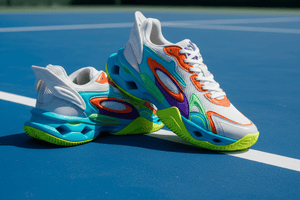
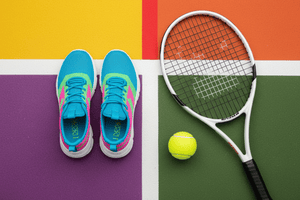
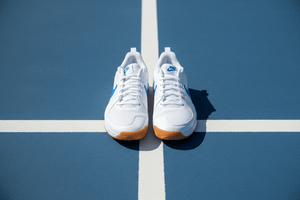
- Shoes: Court shoes with lateral support are essential — running shoes don't provide enough side-to-side stability. See our full guide to the best pickleball shoes for men and women to find the right pair for your game.
Pickleball vs Tennis: Key Differences
Pickleball is easier to learn than tennis. The court is smaller, the ball moves slower, and rallies start sooner.
At advanced levels, pickleball demands exceptional reflexes, touch, and tactical awareness. The kitchen game separates good players from great ones.
Top Pickleball Associations
- USA Pickleball — national governing body
- International Pickleball Federation (IPF)
- PPA Tour — premier professional tour
You might also be interested in:
- Padel Beginner to Pro: Complete Guide to Mastering Padel
- Tennis Footwork Beginner to Pro
- History of Pickleball: From Backyard Game to Global Phenomenon
- Padel vs Pickleball: Which Racket Sport Is Right for You?
- Pickleball Net Height & Dimensions: Official Measurements & Complete Guide
- How to Find Pickleball Courts Near You
- Jojolemon Pickleball Paddle Review: Is It Worth It?
- Pickleball Lessons Near Me: How to Find Classes, Courts & Social Play
- Best Pickleball Shoes 2026: Top Picks for Men & Women
- How to Keep Score in Pickleball: Complete Beginner's Scoring Guide