Padel - Beginner to Pro: Complete Guide to Mastering Paddle Tennis with Drills, Training & Mindset
Affiliate disclosure: This article contains affiliate links. If you purchase through these links, we may earn a small commission at no extra cost to you.
Whether you've never held a padel racket or you're ready to compete, this guide takes you from padel beginner to pro step by step. You'll learn the rules, master the key shots, and build the mental game to win on any padel court.
What Is Padel?
Padel is a racket sport that combines elements of tennis and squash. It's always played in doubles on an enclosed court with glass walls and metal mesh.
The court is 20 x 10 metres — about a third of a tennis court. The net sits at 88 cm in the centre. Games are scored like tennis, but the serve is always underhand.
The walls are part of play. You can let the ball bounce off the back or side glass before returning it. This is what makes padel unique and exciting.
Padel Rules Every Beginner Must Know
The serve is underhand and must bounce in the diagonal service box. The ball must not bounce twice before the receiver returns it.
After the serve, the ball can be played off the walls. If the ball bounces and then hits the wall, it's still in play. If it hits the wall before bouncing, it's out.
Scoring follows tennis rules: 15, 30, 40, deuce, advantage. Sets are first to 6 games, win by 2. Matches are best of 3 sets.
Essential Padel Shots for Beginners
Master these four shots before anything else:
- The bandeja — a defensive overhead that keeps the ball low and forces opponents back. The most important shot in padel.
- The vibora — an attacking overhead with sidespin. Use it to finish points at the net.
- The lob — a high shot over opponents at the net. Essential for regaining the net position.
- The bajada — a shot played off the back wall. Mastering this separates beginners from intermediate players.
Focus on consistency first. Most beginners lose points from unforced errors. Power and spin come with practice.
From Padel Beginner to Pro: Your Training Path
Progress in padel follows a clear structure. Each stage builds on the last.
Stage 1 — Beginner: Learn the rules, practice the serve, and develop a reliable forehand and backhand. Play as many games as possible.
Stage 2 — Intermediate: Master the lob and bandeja. Work on net positioning and moving as a team with your partner.
Stage 3 — Advanced: Add the vibora and bajada. Develop tactical awareness and exploit opponents' weaknesses.
Stage 4 — Pro level: Compete in tournaments. Analyse your game on video. Work with a coach on specific technical gaps.
Padel Drills to Improve Fast
Structured drills accelerate progress far more than casual play alone. Here are three to start with:
- Wall rally drill — Stand near the back wall and practice letting the ball come off the glass before hitting it. Do this for 10 minutes per session.
- Lob and smash drill — One player lobs from the back. The other practices the bandeja at the net. Rotate every 5 minutes.
- Net positioning drill — Practice moving together as a pair to the net after every serve. Focus on staying parallel and covering the court.
If you want a full library of structured padel drills and exercises, check out our Padel Made Easy training collection — designed to take you from beginner to pro at your own pace.

Padel Footwork: Move Like a Pro
Good footwork is the foundation of every great padel player. Without it, even perfect technique breaks down under pressure.
Always return to the centre of the court after each shot. Stay on the balls of your feet and use small adjustment steps before hitting.
In doubles, move as a unit with your partner. If one player goes left, the other covers right. This coordination is what separates good teams from great ones.
The Mental Game: Think Like a Pro
Padel is as much mental as physical. The best players stay calm under pressure and make smart decisions quickly.
Reset after every point. Use a short routine — take a breath, talk to your partner, pick your target. This prevents emotional mistakes from building up.
Focus on the process, not the score. Concentrate on shot selection and positioning. The results follow naturally when you play smart.
Padel Equipment Guide
You don't need expensive gear to start. Here's what matters:
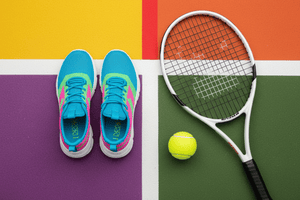
- Racket: Beginners should use a round-shaped racket with a soft core. It offers more control and a larger sweet spot. Top picks: Head, Babolat, Wilson, Bullpadel & NOX — the most trusted padel racket brands.
- Ball: Padel balls look like tennis balls but have lower pressure. Always use balls designed for padel, not tennis. Head, Wilson & Dunlop padel balls are the most popular choices on court.
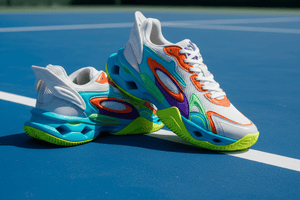
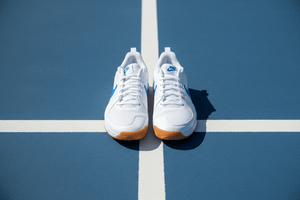
- Shoes: Use padel-specific or clay court shoes. They provide the grip and lateral support needed on artificial grass courts. Adidas, Asics & Nike padel court shoes are top-rated for comfort and durability.
🎾 Gear up before your first session: Best padel rackets for every level • Official padel balls — Head, Wilson & Dunlop • Padel court shoes — grip, support & speed
Padel vs Tennis: Key Differences
Padel is easier to learn than tennis. The court is smaller, the serve is simpler, and the walls give you more time to react.
At advanced levels, padel demands exceptional teamwork, wall play, and tactical awareness. The net game separates good players from great ones.
Top Padel Associations
- International Padel Federation (FIP) — global governing body
- Playtomic — find and book padel courts near you