How to Get Children Good at Tennis: The Ultimate Guide for All Levels
If you're searching for teaching kids tennis, tennis lessons for kids, or the best way to introduce your child to mini tennis, you're making one of the smartest decisions a parent can make. Tennis is more than just a sport for children — it builds coordination, confidence, discipline, resilience, and a growth mindset that lasts a lifetime. Whether you're exploring tennis for beginners kids, looking for children's tennis drills, or wondering about tennis footwork for kids, the key to success is starting right, keeping it fun, and progressing at the child's natural pace.
At TennisMindset.org, we've seen thousands of young players thrive when parents and coaches focus on age-appropriate tennis training that emphasizes play, movement, and mental strength from day one.
🎾 Elite Tennis Coaching Programs — At Affordable Prices
The internet has made world-class tennis coaching accessible to everyone. The same coaches behind 5 World No.1 players — including Martina Navratilova — now offer structured online programs for players of all levels.
See All Coaching Programs →The Best Age to Start Teaching Children Tennis
The ideal time to begin teaching children tennis is between 4 and 6 years old. At this age, kids have enough coordination and attention span to enjoy the game without getting frustrated. Some children show interest as early as 3, while others are ready closer to 7 — the most important factor is their enthusiasm and willingness to play.
Early exposure doesn't mean intense training. For the youngest players, it's all about fun, movement games, and developing basic motor skills through mini tennis activities. Formal tennis lessons for kids or group classes at a tennis club or tennis academy usually work best once they can follow simple instructions and enjoy short rallies.
Understanding the Different Levels: The ITF Play & Stay System
Modern junior tennis uses a brilliant, science-backed progression called Tennis10s (or Play & Stay), developed by the International Tennis Federation. It uses modified equipment and smaller courts so kids experience success immediately and stay motivated.
- Red Ball Stage (Ages 4–7/8): Mini tennis on a 36-foot court (about ¼ size) with very slow red balls (75% slower than standard). Kids use short rackets (19–21 inches). Focus: fun rallies, basic hand-eye coordination, and movement. This is where most children fall in love with the game.
- Orange Ball Stage (Ages 8–10): 60-foot court (¾ size) with orange balls (50% slower). Rackets up to 25 inches. Kids start learning real technique while still enjoying longer points.
- Green Ball Stage (Ages 10–12): Full-size court but with slower green balls (25% slower). This “bridge” stage prepares them for full yellow-ball tennis without overwhelming them.
- Yellow Ball / Full Tennis: Standard equipment for competitive juniors (usually 12+).
Using the right stage prevents frustration and accelerates real skill development. Many tennis clubs and tennis academies now run programs built entirely around these colored-ball levels.
Best Practices for Teaching Children Tennis Successfully
Top coaches and organizations like the USTA and ITF agree on several key principles for coaching tennis with kids:
- Make it fun and play-based — Children learn best through games, not repetitive drills. Prioritize rallies, target games, and cooperative play over perfect technique early on.
- Keep sessions short and positive — 30–45 minutes is ideal for young children. Celebrate effort and small wins to build confidence.
- Focus on movement first — Great tennis footwork and tennis footwork drills for kids lay the foundation for everything else. Simple agility games, ladder drills, and split-step practice develop quick feet and court awareness.
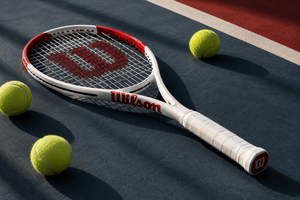
- Use proper equipment — Smaller rackets, slower balls, and lower nets create immediate success and longer rallies. See our recommended kids tennis rackets guide for the best options by age group.
- Develop a growth mindset early — Teach kids that mistakes are learning opportunities. Simple tennis mindset tools like positive self-talk and reset routines help young players bounce back from tough points.
- Involve parents wisely — Supportive cheering and occasional home practice make a huge difference, but avoid pressure.
Recommended Equipment by Age
Using the right racket and ball for each stage makes an enormous difference. Here are our top picks:
- Ages 4–6 (19–21 inch rackets): AMA SPORT Starter Kit, Wilson Junior, Babolat Junior — paired with red balls
- Ages 7–9 (23–25 inch rackets): Wilson Junior, Babolat Junior, Tecnifibre Junior, Prince Junior 🏆 Best value — paired with orange balls
- Ages 9–11 (25–26 inch rackets): Head Junior, Tecnifibre Junior, Prince Junior 🏆 Best value — paired with green balls
Essential Tennis Drills and Footwork for Young Players
Once kids are comfortable holding a racket, introduce fun, progressive children's tennis drills:
- Bounce & Hit / Drop-Hit — Builds hand-eye coordination and basic swing path.
- Target Rallies — Place cones or spots on the court and aim for points.
- Footwork Games — Shadow swings with split-steps, cone shuffles, or figure-8 patterns around markers to improve tennis footwork.
- Mini-Court Games — Play on a smaller area to keep rallies alive and fun.
These activities develop the exact skills needed for tennis training at every level while keeping children engaged and smiling.
How to Start Teaching Your Child Tennis at Home or at a Club
At home (ages 4–6):
Start with 10–15 minute sessions. Bounce balls off a wall, play “catch with the racket,” or do simple shadow swings in the backyard. Focus on fun and movement rather than perfection.
At a tennis club or academy:
Look for programs that follow the Play & Stay system. Group tennis lessons for kids are ideal — they provide social interaction and built-in fun. Many tennis clubs offer excellent junior programs with experienced coaches who specialize in teaching children.
The combination of club lessons plus home tennis drills and tennis footwork practice creates the fastest progress and strongest foundation.

Tennis Footwork Drills & Fitness Mega Pack
Fun, proven tennis drills, footwork routines, and mindset tools designed for young players.
Shop the Collection →Why Early Tennis Builds More Than Just Skills
Beyond strokes and movement, teaching children tennis develops life skills: resilience, focus, sportsmanship, goal-setting, and the ability to handle both success and setbacks. A strong tennis mindset developed young becomes a superpower that carries into school, relationships, and future challenges.
Whether your child dreams of competitive junior tennis or simply wants to enjoy the sport with friends, the right start makes all the difference.
Ready to give your child the gift of tennis? Explore fun, proven tennis drills, tennis footwork routines, and mindset tools designed for young players at TennisMindset.org — the perfect complement to any tennis lessons or tennis academy program.
Top Tennis Associations & Junior Resources
- International Tennis Federation (ITF) – Tennis Play & Stay: https://www.itftennis.com/en/growing-the-game/itf-tennis-play-and-stay/
- United States Tennis Association (USTA) Juniors: https://www.usta.com/
- Tennis Europe Junior: https://www.tenniseurope.org/
Let the rallies begin — your child's tennis journey starts today!
You might also be interested in:
- The History of Tennis: From Royal Handball to a Global Phenomenon
- History of Padel: From Mexican Invention to Global Paddle Tennis Phenomenon
- History of Pickleball: From Backyard Invention to Global Phenomenon
- How to Find Tennis, Padel & Pickleball Courts Near You (2026 Guide)
- Mini Tennis for Kids: The Best Way to Start with the Perfect Kids Tennis Rackets