Paddle Tennis: Complete Beginner's Guide 2026
Paddle tennis — also known as padel in Europe and Latin America — is one of the fastest-growing racquet sports in the world. Played on an enclosed court roughly a third the size of a tennis court, with solid paddles and a slightly depressurised ball, paddle tennis combines the best elements of tennis and squash into a sport that's easy to learn, incredibly social and seriously addictive.
Affiliate disclosure: This article contains affiliate links. If you purchase through these links, we may earn a small commission at no extra cost to you.
Whether you're a tennis player looking for a new challenge or a complete beginner to racquet sports, this guide covers everything you need to know about paddle tennis — the rules, the equipment, how to play and how to get started.
🎾 Already play tennis? Get structured drills, footwork programs and mental game training that transfer directly to paddle tennis — use code TM888 for 10% off.
See Tennis Training Programs →What Is Paddle Tennis?
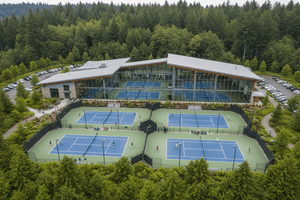
Paddle tennis (padel) is played in doubles on an enclosed court measuring 20m x 10m — surrounded by glass walls and metal mesh that are part of the playing surface. The ball can be played off the walls, similar to squash, which creates longer rallies and a more tactical, team-oriented game than tennis.
The sport originated in Mexico in 1969, spread rapidly through Spain and Latin America, and is now one of the most popular sports in Europe. Spain alone has over 4 million regular players and more padel courts than tennis courts. The sport is growing rapidly in the UK, Germany, Sweden, Italy and beyond.
Paddle Tennis vs Tennis: Key Differences
- Court size — padel court is roughly a third the size of a tennis court; always played in doubles
- Walls — the glass and mesh walls are in play; the ball can be played off the walls after bouncing
- Paddle — solid paddle (no strings) with holes; shorter than a tennis racquet
- Ball — similar to a tennis ball but slightly depressurised for slower play
- Serve — underarm serve only; must bounce before hitting
- Scoring — same as tennis (15, 30, 40, game, set, match)
- Learning curve — significantly easier to learn than tennis; most beginners can rally within their first session
Paddle Tennis Rules: How to Play
The Serve
The serve in padel is underarm — the ball must be dropped and hit below waist height, bouncing into the diagonally opposite service box. Unlike tennis, there's no overhead serve. The serve must land in the service box; if it hits the side or back wall after bouncing in, it's still in play.
Playing Off the Walls
This is what makes padel unique. After the ball bounces on your side of the court, you can play it off the glass or mesh walls — just like squash. You can also let the ball hit the wall before it bounces (if it comes off the opponent's side wall). The walls create longer rallies and more tactical play than tennis.
Scoring
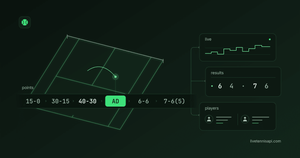
Padel uses the same scoring system as tennis: 15, 30, 40, game. Sets are first to 6 games (with a tiebreak at 6-6). Matches are typically best of 3 sets. Always played in doubles — singles padel is extremely rare.
The Golden Point
At deuce (40-40), many padel tournaments use a "golden point" — one deciding point rather than advantage scoring. The receiving team chooses which side to receive from. This speeds up play and adds drama to close games.
Paddle Tennis Equipment: What You Need
The Paddle (Racquet)
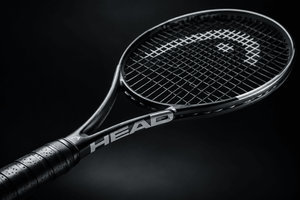
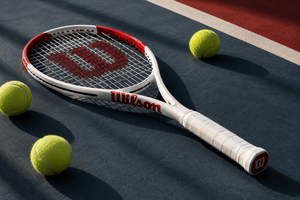
A padel paddle is a solid, stringless bat made from carbon fibre, fibreglass or EVA foam. Paddles come in three shapes:
- Round — larger sweet spot, more forgiving; best for beginners
- Diamond — smaller sweet spot, more power; best for advanced players
- Teardrop — balanced between round and diamond; best for intermediate players
For beginners, a round or teardrop paddle from a reputable brand (Head, Babolat, Wilson, Bullpadel or NOX) is the best starting point.
The Ball
Padel balls look identical to tennis balls but are slightly depressurised — they bounce lower and slower, which suits the smaller court and wall play. Always use padel-specific balls rather than regular tennis balls. Top brands include Head, Wilson and Dunlop.
Shoes
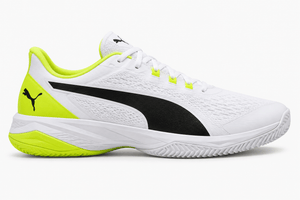
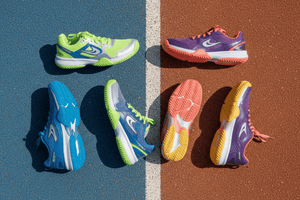
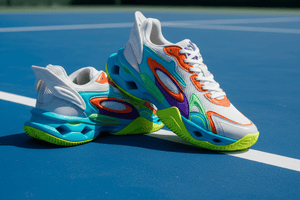
Padel is played on artificial grass (most common), concrete or carpet. Use padel-specific shoes or clay court tennis shoes — the outsole pattern is designed for the surface. Avoid hard court tennis shoes or running shoes on padel courts.
How to Get Started with Paddle Tennis
- Find a court — padel courts are appearing rapidly across Europe; search for padel clubs in your city or use a padel court booking app
- Book a beginner lesson — a 1-hour group lesson will teach you the basics of the serve, groundstrokes and wall play; most clubs offer beginner sessions
- Get a paddle — most clubs rent paddles for your first sessions; once you're hooked, invest in your own beginner paddle
- Find a partner — padel is always played in doubles; bring a friend or join a club social session to meet other players
- Play regularly — padel improves rapidly with practice; most beginners feel comfortable on court within 5–10 sessions
Paddle Tennis Tips for Beginners
- Use the walls — don't be afraid of the walls; letting the ball come off the back wall gives you more time and creates better angles
- Stay at the net — padel is won at the net; the team that controls the net wins most points
- Communicate with your partner — call the ball, cover each other and move as a unit
- Keep it simple — focus on consistency over power; a ball in play is always better than a winner attempt that goes out
- Watch the lob — the lob is the most important shot in padel; a well-placed lob forces opponents back and gives you the net
Paddle Tennis for Tennis Players
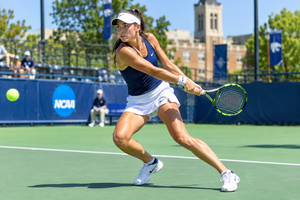
If you already play tennis, you'll pick up padel faster than most — the scoring, footwork principles and competitive mindset transfer directly. The main adjustments are the underarm serve, playing off the walls, the shorter paddle swing and net positioning.
🎾 From Tennis Mindset
Padel Made Easy Collection + Exercise Book

Footwork drills, tactical exercises and mental game training specifically designed for padel — everything you need to accelerate your improvement on the padel court.
Get the Padel Made Easy Collection →Frequently Asked Questions
Is paddle tennis the same as padel?
They are closely related but technically different sports. Padel is the enclosed-court doubles sport played with solid paddles and walls — the sport that has exploded in popularity across Europe and Latin America. Paddle tennis is an older American variant played on a smaller open court. In everyday usage, "paddle tennis" is often used interchangeably with padel in English-speaking countries.
Is padel easy to learn?
Yes — padel has one of the lowest barriers to entry of any racquet sport. The underarm serve is simple, the smaller court means less ground to cover, and the walls give you more time to react. Most beginners can sustain rallies within their first session.
Do I need special shoes for padel?
Yes — padel is most commonly played on artificial grass, which requires a specific outsole pattern. Clay court tennis shoes work well on artificial grass padel courts. Avoid hard court tennis shoes or running shoes.
What's the best padel paddle for beginners?
For beginners, a round or teardrop-shaped paddle from a reputable brand (Head, Babolat, Wilson, Bullpadel or NOX) is the best choice. Round paddles have the largest sweet spot and are the most forgiving.
Can I play padel if I've never played tennis?
Absolutely — padel is one of the most accessible racquet sports for complete beginners. No prior tennis experience is needed. Many padel players have never played tennis.
You might also be interested in:
- Best Beginner Tennis Rackets: Top Picks for New Players
- Yonex VCore 100 8th Gen Tennis Racquet Review 2026
- ASICS Gel-Resolution 9 Tennis Shoes Review 2026
- Tennis Warm-Up Exercises: Prevent Injury and Play Better
Product recommendations are based on quality, value, and player feedback. Affiliate links help support Tennis Mindset at no extra cost to you.