Tennis Recruiting: Complete Guide to College Tennis Recruiting
Tennis recruiting is one of the most competitive and complex processes in college sports. Unlike football or basketball, where top recruits are household names by the time they reach high school, tennis recruiting is a highly individualised process where juniors and parents must proactively engage with coaches, build a profile and understand the specific requirements of each NCAA division. Whether you’re a junior player dreaming of a Division I scholarship or looking for the best academic and athletic fit at a Division III programme, this complete guide to college tennis recruiting covers everything you need to know.
Affiliate disclosure: This article contains affiliate links. If you purchase through these links, we may earn a small commission at no extra cost to you. We only recommend products we believe in.
🎾 Train to get recruited. Get elite-level drills, footwork and match tactics used by college-bound juniors. Use code TM888 for 10% off.
See Tennis Training Programs →How Does College Tennis Recruiting Work?
College tennis recruiting works differently from other major sports. Most tennis programmes at all NCAA levels actively recruit players — they don’t wait for athletes to come to them. The process involves coaches evaluating players through tournament results, UTR ratings, highlight videos, official visits and direct communication. Understanding how to present yourself effectively to coaches is as important as your on-court performance.
The key steps in the tennis recruiting process are:
- Build your tennis profile — UTR rating, USTA national ranking, tournament results, academic record
- Create a recruiting profile — on platforms like TennisRecruiting.net, BeRecruited or the NCSA
- Research programs — identify schools that match your academic, athletic and personal priorities
- Contact coaches directly — proactive outreach is essential; coaches expect it
- Send a highlight video — a well-produced video is a key part of every successful recruiting package
- Take official and unofficial visits — visit campuses to find your best fit
- Receive and evaluate offers — compare scholarship offers, financial aid and academic programmes
- Commit — verbal commitment or signed National Letter of Intent
NCAA Division I Tennis Recruiting
Division I tennis recruiting is the highest and most competitive level of college tennis. DI programmes can offer athletic scholarships — up to 4.5 scholarships per team for men and 8 for women — which are divided among roster players. The top DI programmes — such as those at USC, UCLA, Florida, Texas, Stanford and Virginia — recruit players who are competing at the highest junior levels nationally and internationally.
- Typical UTR for DI men: 11–14+
- Typical UTR for DI women: 9–13+
- Scholarship limit men: 4.5 equivalency scholarships per team
- Scholarship limit women: 8 equivalency scholarships per team
- Recruiting contact rules: coaches cannot initiate contact until June 15 after sophomore year of high school
NCAA Division II Tennis Recruiting
Division II tennis recruiting offers a strong combination of competitive tennis and academic opportunity, with smaller schools and a more personal coaching environment. DII programmes also offer athletic scholarships — up to 4.5 for men and 6 for women — making them a compelling option for players who don’t quite reach DI level but want meaningful financial support.
- Typical UTR for DII men: 9–12
- Typical UTR for DII women: 7–11
- Scholarship limit men: 4.5 equivalency scholarships
- Scholarship limit women: 6 equivalency scholarships
NCAA Division III Tennis Recruiting
Division III tennis recruiting is often overlooked but represents an outstanding opportunity for many players. DIII programmes cannot offer athletic scholarships, but many DIII institutions offer generous academic merit aid that can be just as valuable. DIII tennis is genuinely competitive — and the academic quality of many DIII schools (including Amherst, Williams, Middlebury, Emory and MIT) is outstanding.
- Typical UTR for DIII men: 6–10
- Typical UTR for DIII women: 5–9
- Athletic scholarships: none (academic merit aid available)
- Academic profile: often the strongest academic institutions in the US
The Tennis Recruiting Timeline
Understanding the tennis recruiting timeline is critical. Starting too late is one of the most common mistakes families make.
- Year 1–2 of high school (Freshman/Sophomore): Build your UTR and tournament results; create a recruiting profile; begin researching schools; attend college tennis camps
- June 15 after Sophomore year: DI coaches may begin initiating contact; be ready to respond professionally
- Junior year: The most active recruiting period; take official and unofficial visits; narrow your school list; communicate regularly with coaches
- Senior year: Finalise visits; receive offers; commit by signing NLI (National Letter of Intent) or making a verbal commitment
UTR Rating: The Most Important Number in Tennis Recruiting
The Universal Tennis Rating (UTR) has become the universal language of tennis recruiting. It is a single, algorithmically calculated number (from 1 to 16.5) that reflects a player’s true playing level based on match results, regardless of age, gender or nationality. Coaches at all division levels use UTR as a primary filter when identifying recruits.
- Build your UTR: play as many rated matches as possible — UTR events, USTA tournaments and college showcase events
- UTR Pro Match Series: open UTR events specifically designed to help players improve and demonstrate their level
- College Showcase events: UTR-rated events attended by college coaches; invaluable for visibility
How to Contact College Tennis Coaches
Proactive, professional coach outreach is essential in tennis recruiting. Coaches at all division levels expect to hear from interested players — silence is interpreted as disinterest.
- Initial email: introduce yourself, share your UTR, academic GPA, tournament results and a link to your highlight video; keep it concise and professional
- Follow up: if you don’t hear back within two weeks, follow up once
- Phone calls and video calls: if a coach expresses interest, be prepared for phone conversations about your goals, their programme and expectations
- Official visits: paid visits to campus arranged by the university; you are entitled to five official visits total across all DI schools
- Unofficial visits: self-funded campus visits; attend a practice, meet the team, tour the facilities
Tennis Recruiting Highlight Video: What Coaches Want to See
A well-produced tennis recruiting highlight video is one of the most powerful tools in your recruiting package. Here’s what coaches look for:
- Length: 3–6 minutes maximum — coaches watch hundreds of videos and won’t sit through a 20-minute reel
- Shots to include: forehand, backhand, serve, return of serve, volleys, movement and footwork, competitive match points
- Quality: steady camera, good lighting, filmed from behind or to the side of the court at a height that shows the full court
- Match footage: real competitive match footage is more valuable than practice clips
- Opening sequence: start with your best, most impressive points — coaches may only watch the first 60 seconds
Tennis Scholarships: What to Expect
Tennis scholarships in the NCAA are equivalency scholarships — meaning the total scholarship money is divided among multiple players rather than given as full rides to a few. Most players at DI level receive partial scholarships ranging from 10% to 80% of costs. Full scholarships are reserved for the very top recruits.
- Men’s DI: 4.5 total scholarships divided among typically 8–12 roster players
- Women’s DI: 8 total scholarships divided among typically 8–10 roster players (women’s tennis is closer to full scholarships)
- Academic aid: always ask about academic merit scholarships — these can significantly increase your total financial package at all division levels
Top Tennis Recruiting Platforms
- TennisRecruiting.net — the most widely used platform; free to use; coaches actively search here
- UTR Profile — your UTR profile is essentially a recruiting card; keep it complete and up to date
- NCSA (Next College Student Athlete) — paid service with personalised recruiting support
- BeRecruited — general multi-sport platform with tennis coverage
- Direct college athletic websites — many programmes have recruiting questionnaires on their athletic websites; fill these out for every school on your list
Essential Gear for the Recruiting Process
Standing out in tennis recruiting requires not just great results, but great preparation on court. Here’s the gear that helps you play and look your best at showcase events and college visits:
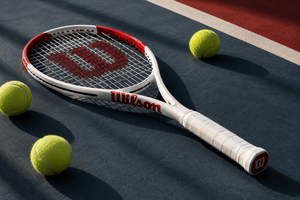
- 🎾 Wilson rackets — the world’s most trusted brand; used by champions at every level
- 🎾 Babolat rackets — exceptional spin and power; popular with competitive junior players
- 🎾 Tecnifibre rackets — exceptional feel and control; the hidden gem for developing players
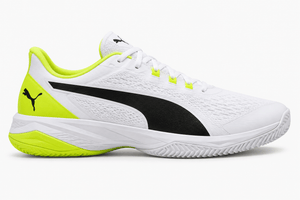
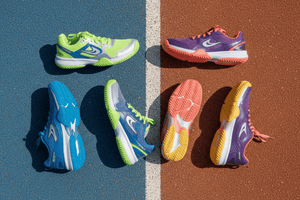
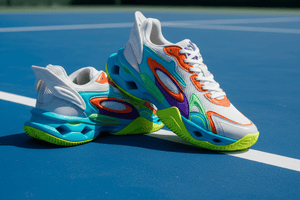
- 🎾 Tennis shoes for men — hard court support and durability for showcase tournaments
- 🎾 Tennis shoes for women — court-specific footwear for competitive junior players
- 🎾 Tennis balls — fresh pressurised balls for practice and UTR events
- 🎾 Tennis overgrip — always play with a fresh grip at important matches
- 🎾 Tennis ball hopper — essential for intensive practice sessions building your recruiting results
🎾 Tennis Mindset Shop
Shop Tennis Gear for Junior Players
- Tennis Shoes — hard court, clay & grass
- Tennis Rackets — beginner to advanced
- Tennis Balls — pressurised & practice
- Tennis Bags — racket bags & backpacks
- Tennis Overgrips — comfort & control
- Tennis Clothing — dresses, skirts & tops
🎾 From Tennis Mindset
The Complete Tennis Bundle

Train like a college recruit — elite drills, footwork programs, mental game training and match tactics all in one bundle.
Get the Complete Tennis Bundle →🛍️ Tennis Mindset on Amazon
Recommended Tennis Gear, Bags & Accessories
Browse our hand-picked Amazon storefront — the best tennis rackets, overgrips, bags, shoes and training accessories, curated by Tennis Mindset.
Visit Our Amazon Storefront →Frequently Asked Questions
What UTR do I need to play college tennis?
It depends on the division. Division I men typically need a UTR of 11–14+; DI women 9–13+. Division II is 9–12 for men and 7–11 for women. Division III is 6–10 for men and 5–9 for women. UTR is the single most important metric coaches use when evaluating recruits.
When should I start the tennis recruiting process?
Ideally by the start of your freshman year of high school (age 14–15). The most critical period is your sophomore and junior years. Starting late — senior year — significantly reduces your options, especially at DI level.
Do Division III tennis programmes offer scholarships?
No — DIII programmes cannot offer athletic scholarships. However, many DIII institutions offer significant academic merit aid that can rival or exceed the value of a partial DI athletic scholarship. Always ask about academic aid.
How do I contact college tennis coaches?
Email directly to the head coach or recruiting coordinator at each programme. Include your UTR, GPA, tournament results, highlight video link and a brief, professional introduction. Follow up if you don’t hear back within two weeks.
What is TennisRecruiting.net?
TennisRecruiting.net is the most widely used tennis recruiting platform in the US. It’s free to use and coaches at all division levels actively search it. Creating a complete profile is one of the first steps every prospective college tennis player should take.
You might also be interested in:
- Best Tennis Players of All Time: The Greatest Men and Women in Tennis History
- Best Beginner Tennis Rackets: Top Picks for New Players
- Tennis Warm-Up Exercises: Prevent Injury and Play Better
- Wilson US Open BLX 100 Tennis Racquet Review: Is It Right for You?
- US Clay Court Tennis: Complete Guide to the Houston Open
NCAA rules and scholarship limits are subject to change. Always verify current regulations at NCAA.org. Information accurate as of September 2026. Affiliate links help support Tennis Mindset at no extra cost to you.