Padel vs Tennis: Key Differences in Court, Rules, Equipment & Which to Choose (2026)
Padel vs tennis — two of the world's most popular racket sports, sharing DNA but playing very differently. Whether you're a tennis player curious about padel, a padel player wondering about tennis, or a complete beginner choosing between the two, this complete guide covers every key difference between padel vs tennis: court, rules, equipment, scoring, difficulty, and which sport is right for you in 2026.
🎾 Elite Tennis Coaching Programs — At Affordable Prices
The internet has made world-class tennis coaching accessible to everyone. The same coaches behind 5 World No.1 players — including Martina Navratilova — now offer structured online programs for players of all levels.
See All Coaching Programs →Padel vs Tennis: Quick Comparison
| Feature | Padel | Tennis |
|---|---|---|
| Court size | 10 x 20 m | 23.77 x 10.97 m (doubles) |
| Court type | Enclosed glass/mesh walls | Open court |
| Equipment | Solid paddle, no strings | Strung racket |
| Ball | Depressurised (4.6–5.2 psi) | Standard (6 psi) |
| Serve | Underhand, ball bounces first | Overhand, no bounce |
| Walls | In play after bounce | Not in play |
| Format | Doubles only (officially) | Singles and doubles |
| Scoring | Same as tennis | 15-30-40, games, sets |
| Second serve | Yes | Yes |
| Difficulty to learn | Easier | Harder |
| Physical demand | Moderate | High |
Padel vs Tennis: The Court
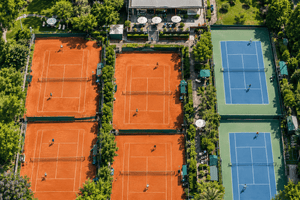
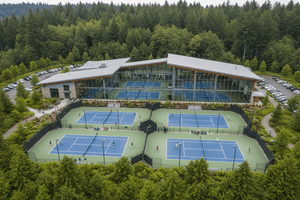
The most obvious difference in padel vs tennis is the court. A padel court is significantly smaller — 10 x 20 metres vs 23.77 x 10.97 metres for a tennis doubles court. The padel court is enclosed by glass walls and metal mesh, and the ball can be played off the walls after bouncing — a fundamental part of the game that has no equivalent in tennis.
The smaller court makes padel more accessible for beginners — there's less ground to cover, and the walls give you extra time to reach the ball. In tennis, the open court demands greater speed, reach, and physical conditioning.
Padel vs Tennis: Equipment
Equipment is another major difference in padel vs tennis:
Padel Paddle vs Tennis Racket
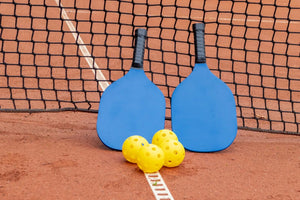
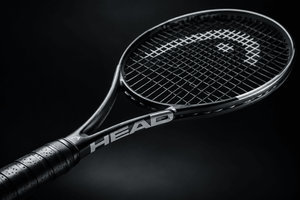
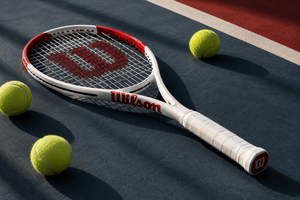
A padel paddle is solid — no strings. It's shorter (maximum 45.5 cm) and lighter than a tennis racket, with a perforated surface that affects ball control and spin. A tennis racket is strung, longer (typically 68–69 cm), and generates significantly more power and spin through string tension and swing speed.
Padel Ball vs Tennis Ball
Padel balls are slightly less pressurised than tennis balls (4.6–5.2 psi vs ~6 psi), producing a slower, more controlled bounce. This lower pressure is essential for the wall game — a fully pressurised tennis ball would bounce too fast off the glass walls for practical play.
🎾 Shop Padel & Tennis Gear
Top-rated equipment for both sports — paddles, rackets, balls, and shoes.
 Tennis Rackets →
 Padel Balls →
  Tennis Balls →
As an Amazon Associate, we earn from qualifying purchases.
Padel vs Tennis: The Rules
The rules of padel vs tennis share the same scoring system but differ significantly in how the game is played:
Serving
In padel, the serve is underhand — the ball must bounce once before being struck, and contact must be at or below waist height. In tennis, the serve is overhand — struck from above the head with no bounce. The tennis serve is one of the hardest skills in sport to master; the padel serve is accessible to beginners within minutes.
Wall Play
In padel, the ball can be played off the back and side glass walls after bouncing on your side — creating extended rallies and spectacular defensive shots. In tennis, there are no walls — the ball must stay within the court lines or it's out.
Format
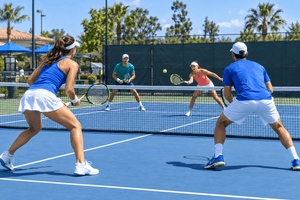
Padel is officially played as doubles only. Tennis is played as both singles and doubles. This makes padel inherently more social — you always need four players, which creates a community atmosphere that tennis singles doesn't always provide.
Scoring
Both sports use identical scoring: 15, 30, 40, game, deuce, advantage. Sets are first to 6 games with a tiebreak at 6-6. Matches are best of 3 sets. This is one of the biggest advantages for tennis players learning padel — the scoring is already familiar.
Padel vs Tennis: Difficulty
In the padel vs tennis debate, padel is significantly easier to learn:
- Serve: The padel underhand serve is mastered in minutes. The tennis overhand serve takes months or years to develop properly
- Court coverage: The smaller padel court requires less speed and reach. Tennis demands exceptional footwork and fitness to cover the full court
- Walls: The walls in padel give you extra time to reach the ball — reducing the physical demands on beginners
- Technique: Padel strokes are shorter and more compact than tennis strokes, making them easier to learn and execute consistently
Most beginners can play enjoyable padel within their first session. Tennis typically takes weeks or months before beginners can sustain a rally.
Padel vs Tennis: Which Should You Choose?
Choose Padel If:
- You want to get on court and have fun immediately
- You prefer a social, doubles-focused sport
- You have limited space or access to large courts
- You want a sport that's easier on the body
- You enjoy strategy and wall play over raw power
Choose Tennis If:
- You want to play both singles and doubles
- You enjoy the challenge of mastering a technically demanding sport
- You want to compete at a wide range of levels from club to professional
- You prefer an open court with no walls
- You want a sport with a longer global history and more widespread infrastructure
Play Both!
Many players enjoy both padel and tennis — they complement each other beautifully. Tennis improves your padel footwork and shot-making; padel improves your tennis net game and doubles strategy. There's no reason to choose just one.
🎾 Train Smarter in Both Sports
The Complete Tennis Bundle — drills, footwork, mental game, and everything you need to excel in tennis and padel.
 Get the Complete Tennis Bundle →
Frequently Asked Questions: Padel vs Tennis
Is padel easier than tennis?
Yes — padel is significantly easier to learn than tennis. The underhand serve, smaller court, wall play, and compact strokes make padel accessible to complete beginners within their first session. Tennis typically takes weeks or months before beginners can sustain a rally.
Can tennis players play padel?
Yes — and they pick it up very quickly. Tennis players already know the scoring, understand court positioning, and have developed racket skills that transfer well to padel. Most tennis players are playing competitive padel within a few sessions.
Is padel more popular than tennis?
Tennis remains the more popular sport globally with an estimated 87 million players worldwide vs 25 million for padel. However, padel is the fastest-growing racket sport in the world and is rapidly closing the gap, particularly in Europe and Latin America.
Can you use a tennis racket for padel?
No — a tennis racket is not suitable for padel. Padel requires a solid paddle with no strings. Using a tennis racket on a padel court would damage the racket and produce completely different ball behaviour.
Which is better for fitness — padel or tennis?
Both sports provide excellent cardiovascular exercise. Tennis singles demands more running and physical conditioning due to the larger court. Padel doubles is slightly less physically demanding but still provides a great workout, particularly for agility, reflexes, and lateral movement.