Tennis Elbow Symptoms: Causes, Signs & How to Recover 2026
Tennis elbow symptoms affect millions of players worldwide — from recreational club players to professional tour athletes. Despite its name, tennis elbow (lateral epicondylitis) is not exclusive to tennis players; it affects anyone who performs repetitive forearm and wrist movements. However, the repetitive nature of tennis strokes — particularly the backhand — makes tennis players especially vulnerable. Understanding the symptoms of tennis elbow early is the key to preventing a minor irritation from becoming a chronic, debilitating injury.
Medical Disclaimer: This article is for informational and educational purposes only and does not constitute medical advice. Tennis elbow symptoms can vary significantly between individuals. Always consult a qualified healthcare professional — such as a doctor, physiotherapist or sports medicine specialist — before beginning any treatment, exercise programme or using any supportive device. Do not delay seeking professional medical advice based on information in this article. If you are experiencing severe pain, numbness or loss of function, seek medical attention immediately.
Affiliate disclosure: This article contains affiliate links. If you purchase through these links, we may earn a small commission at no extra cost to you.
🎾 Improve your technique to protect your elbow. Get structured tennis drills, footwork programs and mental game training from elite coaches — use code TM888 for 10% off.
See Tennis Training Programs →What Is Tennis Elbow?
Tennis elbow (lateral epicondylitis) is an overuse injury affecting the tendons that attach the forearm muscles to the lateral epicondyle — the bony prominence on the outside of the elbow. When these tendons are repeatedly stressed through racket sports, manual work or other repetitive activities, small tears develop in the tendon tissue, causing pain, inflammation and weakness. Tennis elbow is one of the most common musculoskeletal conditions, affecting approximately 1–3% of the general population and a significantly higher proportion of tennis players.
Tennis Elbow Symptoms: The Complete Guide
1. Pain on the Outside of the Elbow — The Primary Symptom
The most characteristic tennis elbow symptom is pain on the outside (lateral side) of the elbow, centred on or around the lateral epicondyle. This pain typically:
- Starts as a mild ache that worsens with activity
- Is felt specifically on the outer elbow, not the inner elbow (which would suggest golfer’s elbow)
- May radiate down the forearm toward the wrist
- Is often worse in the morning or after periods of rest
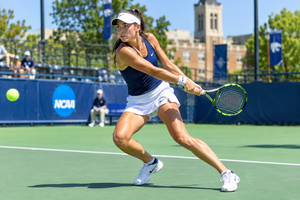
- Intensifies during and after tennis play, particularly during backhand strokes
2. Weakness in the Forearm and Grip
A significant tennis elbow symptom that many players overlook is progressive weakness in the forearm and grip. You may notice:
- Difficulty gripping a tennis racket firmly
- Weakness when shaking hands
- Dropping objects unexpectedly
- Difficulty turning a door handle or opening a jar
- Reduced power on groundstrokes, particularly the backhand
3. Pain During Specific Movements
Certain movements consistently aggravate tennis elbow symptoms:
- Backhand strokes — the most common trigger in tennis players; the one-handed backhand places particular stress on the lateral epicondyle tendons
- Lifting objects — particularly with the palm facing down (pronated grip)
- Extending the wrist — bending the wrist backward against resistance
- Gripping and twisting — turning a screwdriver, wringing a towel or opening bottles
- Computer mouse use — a surprisingly common aggravating factor for office workers
4. Tenderness to Touch
Direct pressure on the lateral epicondyle — the bony bump on the outside of the elbow — typically produces sharp, localised tenderness. This is one of the most reliable diagnostic signs of tennis elbow. If pressing on this area reproduces your pain, tennis elbow is a likely diagnosis — though always confirm with a healthcare professional.
5. Stiffness and Reduced Range of Motion
In more advanced cases of tennis elbow, players may experience stiffness in the elbow joint, particularly in the morning or after periods of inactivity. Full extension of the elbow may become uncomfortable, and the forearm may feel tight and fatigued even during light activity.
6. Symptoms That Worsen Over Time Without Treatment
One of the most important characteristics of tennis elbow symptoms is their progressive nature when left untreated. What begins as mild discomfort after play can escalate to:
- Constant pain even at rest
- Pain that disrupts sleep
- Significant weakness that affects daily activities
- Chronic tendon degeneration that requires extended recovery periods
Early intervention is critical — do not play through tennis elbow pain and hope it resolves on its own.
What Causes Tennis Elbow in Tennis Players?
- Poor backhand technique — leading with the elbow, using excessive wrist snap or hitting late places enormous stress on the lateral epicondyle tendons
- Wrong racket setup — a racket that is too heavy, too stiff, strung too tightly or with a grip that is too small or too large significantly increases injury risk
- Overuse and sudden increases in training volume — playing too much too soon, particularly after a break, is a common trigger
- Weak forearm muscles — insufficient forearm strength means the tendons absorb more stress during play
- Age — tendons become less resilient with age; tennis elbow is most common in players aged 35–55
Tennis Elbow vs Other Elbow Conditions
Not all elbow pain is tennis elbow. It’s important to distinguish tennis elbow symptoms from other conditions:
- Golfer’s elbow (medial epicondylitis) — pain on the inside of the elbow; caused by overuse of the forearm flexors; treated differently from tennis elbow
- Elbow bursitis — swelling at the tip of the elbow; caused by inflammation of the bursa sac; presents as a visible lump rather than lateral pain
- Radial tunnel syndrome — nerve compression that mimics tennis elbow symptoms; distinguished by pain further down the forearm and tingling or numbness
- Elbow arthritis — joint pain throughout the elbow rather than localised lateral pain; more common in older players
Always consult a healthcare professional for an accurate diagnosis before beginning any treatment programme.
Recovery Strategies for Tennis Elbow
1. Rest and Activity Modification
The first and most important step in recovering from tennis elbow is reducing or eliminating the activities that aggravate symptoms. This does not necessarily mean stopping all activity — but it does mean avoiding the specific movements that cause pain, particularly the backhand stroke and heavy lifting with a pronated grip.
2. Tennis Elbow Brace
A tennis elbow brace (also called a counterforce brace or epicondylitis clasp) is one of the most widely used and evidence-supported tools for managing tennis elbow symptoms. Worn just below the elbow, the brace applies compression to the forearm muscles, reducing the stress transmitted to the lateral epicondyle tendons during activity. Many players find that a tennis elbow brace allows them to continue playing at a reduced intensity while recovering.
3. KT Tape for Tennis Elbow
KT tape (kinesiology tape) is a flexible, elastic therapeutic tape applied to the skin around the elbow and forearm to support the affected tendons, reduce pain and improve circulation to the injured area. Many tennis players use KT tape as an alternative or complement to a rigid brace — it allows greater freedom of movement while still providing meaningful support. As we cover in detail in our KT tape for tennis elbow guide, correct application technique is critical for effective results.
4. Ice and Anti-Inflammatory Treatment
Applying ice to the lateral epicondyle for 15–20 minutes after activity can help reduce inflammation and manage pain during the acute phase of tennis elbow. Non-steroidal anti-inflammatory drugs (NSAIDs) such as ibuprofen may also help manage pain and inflammation — always consult a healthcare professional before taking any medication.
5. Physiotherapy and Exercises
A structured physiotherapy programme is the most effective long-term treatment for tennis elbow. Eccentric strengthening exercises — where the forearm muscles are loaded while lengthening — have the strongest evidence base for tendon recovery. A qualified physiotherapist can design a programme tailored to your specific symptoms and return-to-tennis goals.
6. Technique Correction
Correcting the technical faults that caused the injury in the first place is essential for preventing recurrence. Work with a qualified tennis coach to review your backhand technique, grip size and racket setup. Our tennis grip guide covers grip size and technique in detail.
🎾 From Tennis Mindset
Tennis Elbow: Brace Guide, Symptoms, Exercises & Natural Recovery

Everything you need to understand, treat and recover from tennis elbow — brace selection guide, symptom diagnosis, proven exercises and a natural recovery plan without surgery. Used by players at every level to get back on court faster.
Get the Tennis Elbow Recovery Guide →🛍️ Tennis Mindset on Amazon
Recommended Tennis Gear, Bags & Accessories
Browse our hand-picked Amazon storefront — the best tennis rackets, overgrips, bags, shoes, jewellery and training accessories, all curated by Tennis Mindset.
Visit Our Amazon Storefront →When to See a Doctor
Consult a healthcare professional if you experience any of the following:
- Pain that does not improve after 2–4 weeks of rest and conservative treatment
- Severe pain that prevents normal daily activities
- Numbness or tingling in the forearm, hand or fingers
- Visible swelling or bruising around the elbow
- Sudden, sharp pain during play that suggests an acute tear
- Symptoms that worsen despite treatment
Reminder: The information in this article is for educational purposes only. Always seek professional medical advice for diagnosis and treatment of tennis elbow or any other injury. Individual symptoms and recovery timelines vary significantly.
Frequently Asked Questions
What are the first signs of tennis elbow?
The first tennis elbow symptoms are typically mild pain on the outside of the elbow during or after play, slight weakness in the grip and tenderness when pressing on the lateral epicondyle. These early signs should be taken seriously — early intervention prevents the condition from becoming chronic.
How long does tennis elbow take to heal?
Recovery time varies significantly depending on severity and how quickly treatment begins. Mild cases may resolve in 6–12 weeks with rest and conservative treatment; more severe or chronic cases can take 6–12 months. Early intervention with a tennis elbow brace, physiotherapy and technique correction significantly shortens recovery time.
Can I play tennis with tennis elbow?
This depends on the severity of your symptoms and should be decided in consultation with a healthcare professional. Many players continue to play at a reduced intensity using a tennis elbow brace and KT tape. Playing through severe pain risks turning an acute injury into a chronic condition.
Does KT tape help tennis elbow?
KT tape can help manage tennis elbow symptoms by supporting the affected tendons, reducing pain and improving circulation. It is most effective when applied correctly — see our KT tape for tennis elbow guide for detailed application instructions.
What is the best brace for tennis elbow?
A counterforce brace worn just below the elbow is the most widely recommended type for tennis elbow. Browse the top-rated options on Amazon for current pricing and verified buyer reviews. Our full guide covers brace selection in detail.
You might also be interested in:
- KT Tape for Tennis Elbow: How to Apply It and Does It Work?
- Lawn Tennis Grip Guide: Types, Techniques & Best Grips 2026
- Tennis Warm-Up Exercises: Prevent Injury and Play Better
- Best Beginner Tennis Rackets: Top Picks for New Players
- Tennis Footwork Drills: Beginner to Pro
Official Tennis & Medical Associations
- International Tennis Federation (ITF) — the world governing body of tennis
- ATP Tour — the official men's professional tennis circuit
- NHS — Tennis Elbow — official UK health guidance on tennis elbow symptoms and treatment
- Mayo Clinic — Tennis Elbow — authoritative medical information on lateral epicondylitis
This article is for informational purposes only and does not constitute medical advice. Always consult a qualified healthcare professional for diagnosis and treatment of tennis elbow or any other injury. Product recommendations are based on quality and player feedback. Affiliate links help support Tennis Mindset at no extra cost to you.