Tennis Elbow: Causes, Treatment & Prevention (Complete Guide 2026)
Tennis elbow — known medically as lateral epicondylitis — is one of the most common injuries affecting racket sport players. Despite its name, only about 5% of tennis elbow cases are actually caused by tennis. It affects players of all levels across tennis, padel, and pickleball, and can sideline you for weeks or months if not managed correctly. This complete guide covers everything you need to know about tennis elbow: what causes it, how to recognise it, how to treat it, and — most importantly — how to prevent it.
Affiliate disclosure: This article contains affiliate links. If you purchase through these links, we may earn a small commission at no extra cost to you.
📖 New Book: Tennis Elbow Brace Guide
Did you know 90% of tennis elbow cases recover without surgery? This guide shows you exactly how — symptoms, exercises & natural recovery, all in one place.
€19.80 €9.90
🔥 Limited time offer — 50% OFF!
 Get the Book →
What Is Tennis Elbow?
Tennis elbow is an overuse injury affecting the tendons that attach the forearm muscles to the lateral epicondyle — the bony bump on the outside of the elbow. Repeated gripping, twisting, and impact forces cause micro-tears in the tendon, leading to inflammation, pain, and weakness.
It is classified as a tendinopathy — a degenerative condition of the tendon rather than a simple inflammation. This distinction matters for treatment: anti-inflammatory approaches alone are often insufficient, and tendon loading exercises are typically required for full recovery.
Tennis Elbow Symptoms
The most common symptoms of tennis elbow include:
- Pain and tenderness on the outside of the elbow (lateral epicondyle)
- Pain that radiates down the forearm toward the wrist
- Weak grip strength — difficulty holding a racket, cup, or door handle
- Pain when gripping, twisting, or lifting objects
- Stiffness in the elbow, especially in the morning
- Pain that worsens with racket sport activity and improves with rest
Important: If you experience severe pain, swelling, or symptoms that don't improve with rest, consult a healthcare professional promptly.
What Causes Tennis Elbow in Racket Sports?
In tennis, padel, and pickleball, tennis elbow is typically caused by a combination of factors:
Technique Issues
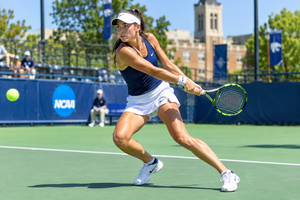
- Late backhand contact: The most common cause in tennis — hitting the ball behind the body forces the forearm extensors to absorb excessive load
- Excessive wrist snap: Using the wrist rather than the shoulder and body rotation to generate power
- Tight grip: Gripping the racket too tightly increases forearm muscle tension and tendon stress
- Poor serve mechanics: Excessive pronation or wrist snap on the serve
Equipment Issues
- Wrong grip size: Too small or too large a grip increases forearm strain
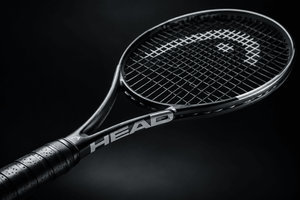
- String tension too high: High string tension increases vibration and shock transmitted to the elbow
- Heavy or stiff racket: Increases the impact forces transmitted to the arm
- Worn grip: A slippery grip causes over-gripping and increased forearm tension
Training Load Issues
- Sudden increase in volume: Playing significantly more than usual without adequate recovery
- Insufficient warm-up: Playing without preparing the forearm muscles and tendons
- Playing through pain: Continuing to play with early symptoms accelerates tendon damage
🎾 Elite Tennis Coaching Programs — At Affordable Prices
The internet has made world-class tennis coaching accessible to everyone. The same coaches behind 5 World No.1 players — including Martina Navratilova — now offer structured online programs for players of all levels.
See All Coaching Programs →Tennis Elbow Treatment
The following information is for general guidance only. Always consult a qualified physiotherapist or sports medicine doctor for a personalised treatment plan.
Phase 1: Acute Management (Week 1–2)
- Rest: Reduce or stop racket sport activity. Complete rest is rarely necessary — relative rest (reducing load) is usually sufficient
- Ice: Apply ice for 15–20 minutes after activity to manage pain. Do not apply ice directly to skin
- Pain management: Over-the-counter anti-inflammatories may help in the acute phase — consult your pharmacist or doctor
- Elbow brace: A counterforce tennis elbow brace can reduce tendon load during activity
Phase 2: Tendon Loading (Week 2–6)
This is the most important phase of tennis elbow recovery. Eccentric and isometric exercises load the tendon progressively, stimulating healing and rebuilding tendon strength. A physiotherapist will typically prescribe:
- Isometric wrist extension holds: Gentle tendon loading without movement — reduces pain quickly
- Eccentric wrist curls: Slow lowering of the wrist against resistance — the gold standard for tendinopathy rehabilitation
- Forearm stretching: Gentle stretching of the wrist extensors to maintain flexibility
Phase 3: Return to Sport (Week 4–12)
- Gradual return to hitting — starting with gentle groundstrokes and building volume slowly
- Technique correction with a coach to address the root cause
- Equipment review — grip size, string tension, racket stiffness
- Continued strengthening exercises throughout the return-to-sport phase
🎾 Tennis Elbow Brace
A quality elbow brace can help manage symptoms and allow you to continue playing during recovery. Always consult your physiotherapist before use.
 Shop Tennis Elbow Braces on Amazon →
As an Amazon Associate, we earn from qualifying purchases.
How to Prevent Tennis Elbow
Prevention is far better than treatment. These strategies significantly reduce your risk of developing tennis elbow:
Technique
- Hit the ball in front of your body — never behind
- Use your shoulder and body rotation to generate power, not your wrist
- Relax your grip between shots — only tighten at the moment of contact
- Work with a coach to identify and correct technique flaws
Equipment
- Use the correct grip size — when in doubt, go slightly larger
- Lower your string tension — softer strings absorb more vibration
- Use a vibration dampener to reduce shock transmission
- Replace your grip regularly — a fresh grip reduces over-gripping
- Consider a more flexible racket if you play with a stiff frame
Training Load
- Warm up thoroughly before every session — include forearm stretches and wrist rotations
- Increase playing volume gradually — no more than 10% per week
- Strengthen your forearm, wrist, and shoulder muscles off-court
- Rest adequately between sessions — tendons need time to recover
- Stop playing if you feel elbow pain — playing through early symptoms causes serious damage
🎾 Train Smarter, Stay Injury-Free
The Complete Tennis Bundle includes technique guides, footwork programmes, and mental game training — everything you need to improve without getting injured.
 Get the Complete Tennis Bundle →
Tennis Elbow vs Golfer's Elbow: What's the Difference?
Tennis elbow (lateral epicondylitis) affects the outside of the elbow. Golfer's elbow (medial epicondylitis) affects the inside of the elbow. Both are tendinopathies caused by overuse, but they involve different muscle groups and require different treatment approaches. See our full comparison of tennis elbow vs golf elbow — including how to tell which one you have and what to do about it. If your pain is on the inside of the elbow, consult a physiotherapist — it may be golfer's elbow rather than tennis elbow.
When to See a Doctor
Consult a healthcare professional if:
- Pain is severe or getting worse despite rest
- Symptoms don't improve after 6–8 weeks of self-management
- You have significant swelling, bruising, or loss of movement
- Pain is affecting your daily activities (not just sport)
- You are unsure whether your symptoms are tennis elbow or another condition
Frequently Asked Questions: Tennis Elbow
How long does tennis elbow take to heal?
With proper management, most cases of tennis elbow improve within 6–12 weeks. Severe or chronic cases can take 6–12 months. The key is early intervention — the sooner you address symptoms, the faster the recovery.
Should I keep playing tennis with tennis elbow?
This depends on the severity of your symptoms. Mild cases may allow continued play with a brace and modified technique. Moderate to severe cases typically require a period of rest from racket sports. Always follow the advice of your physiotherapist or sports medicine doctor.
Does a tennis elbow brace help?
A counterforce tennis elbow brace can reduce tendon load during activity and help manage symptoms. It is not a cure — it should be used alongside a proper rehabilitation programme, not instead of one. Consult your physiotherapist before using a brace.
What string tension is best for tennis elbow?
Lower string tension reduces vibration and shock transmitted to the elbow. If you suffer from tennis elbow, consider dropping your string tension by 4–6 lbs and switching to a softer multifilament or natural gut string. Avoid polyester strings if you have elbow issues.
Can padel or pickleball cause tennis elbow?
Yes — tennis elbow can be caused by padel and pickleball as well as tennis. The repetitive gripping and impact forces in all three sports can stress the lateral epicondyle tendons. The same prevention and treatment principles apply across all three sports.